
Soft Tissue Grafting Around Implants
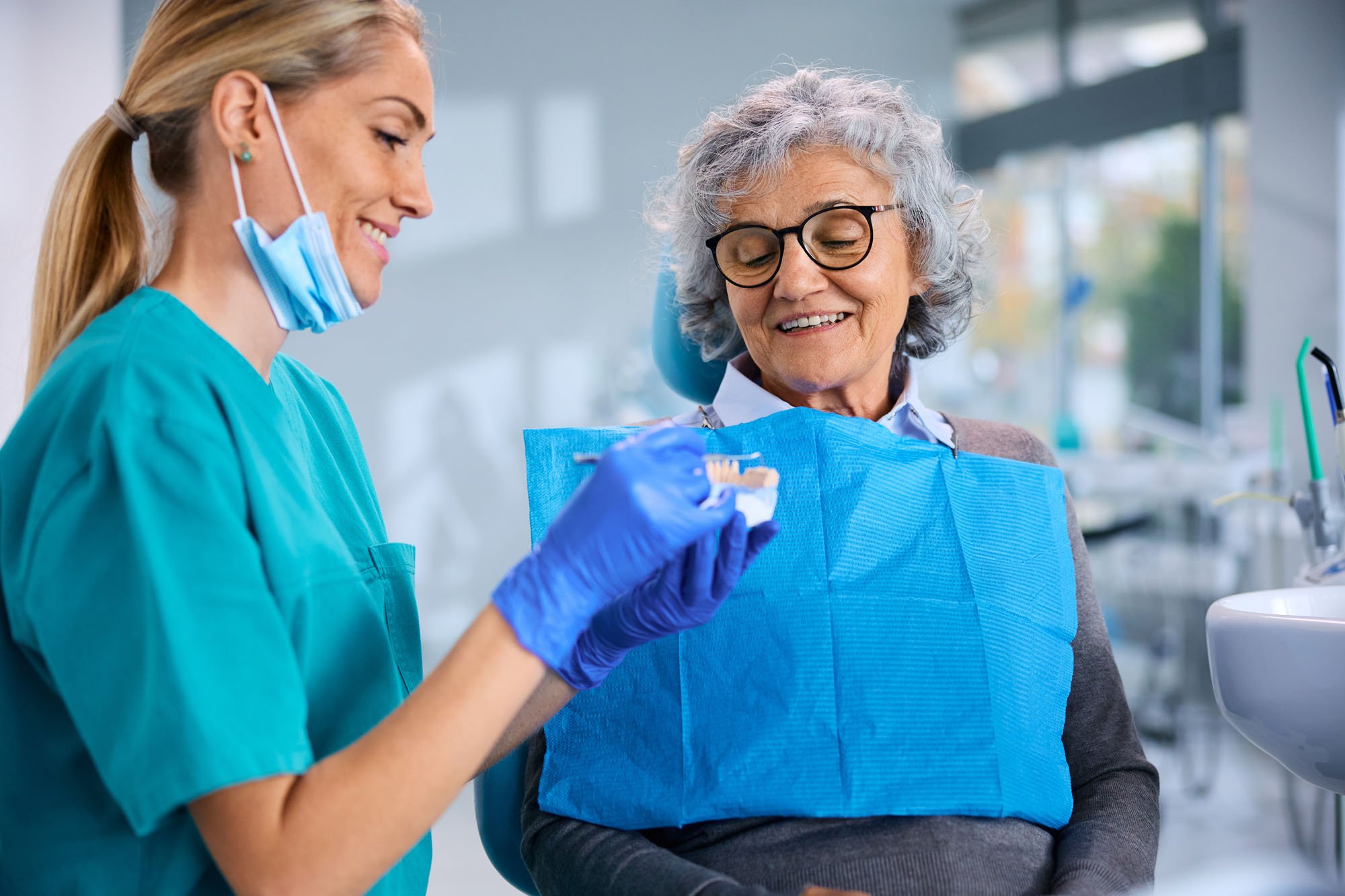
Soft tissue grafting is an important aspect of oral and maxillofacial surgery, supporting both the functional and aesthetic outcomes of dental implants. Griffith residents can gain insight into the principles and applications of this procedure.
What Is Soft Tissue Grafting?
Soft tissue grafting involves adding tissue, usually gum tissue, to areas around dental implants. The procedure aims to enhance the thickness and quality of the surrounding soft tissue, providing support and protection for the implant site.
Types of Soft Tissue Grafts
Autogenous Grafts
Autogenous grafts use tissue taken from the patient, commonly from the palate or nearby gum areas. These grafts offer high compatibility and integrate naturally with surrounding tissues.
Allografts and Processed Materials
In some cases, donor tissue or specially processed substitutes may be used. These materials provide an alternative when harvesting tissue from the patient is limited or undesirable.
Benefits in Oral and Maxillofacial Surgery
Soft tissue grafting contributes to:
Enhanced Protection: Thicker tissue around implants can help protect underlying bone and implant surfaces.
Aesthetic Improvement: Grafting can create a more natural appearance, particularly in visible areas of the mouth.
Support for Long-Term Stability: Healthy soft tissue helps maintain the functional integration of implants over time.
Role of Surgeons in Griffith
Oral and maxillofacial surgeons in Griffith assess gum health, implant location, and tissue availability when planning graft procedures. Advanced planning and precise surgical techniques are employed to achieve optimal outcomes for soft tissue around implants.
Understanding soft tissue grafting highlights the combination of surgical skill, tissue biology, and aesthetic considerations involved in oral surgery. This knowledge provides insight into the care and planning required for successful implant restorations.
Disclaimer: This content is for educational and informational purposes only and is not medical or dental advice. Always consult a licensed oral and maxillofacial surgeon.