
Safety Standards in Surgical Settings
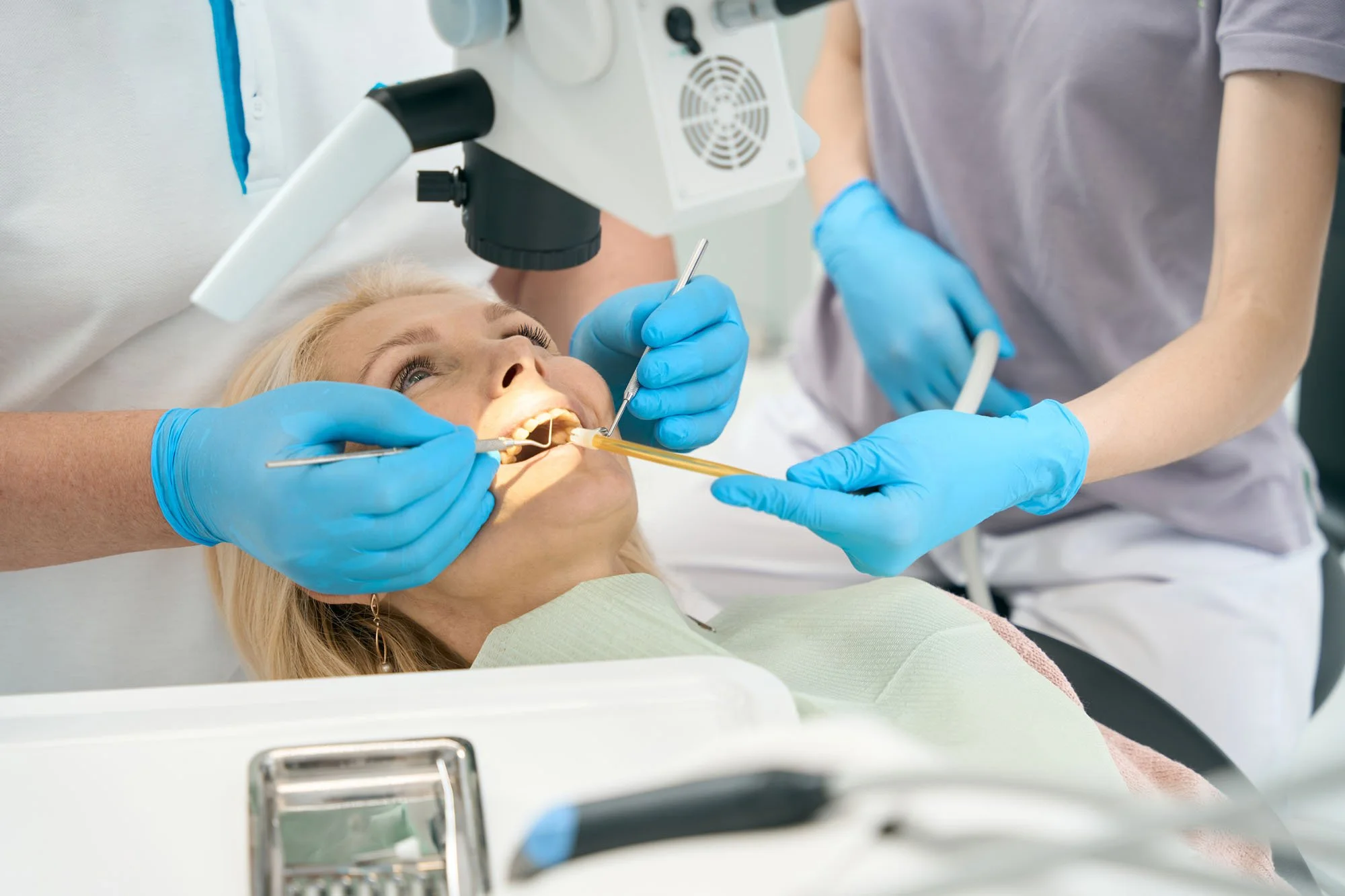
Safety standards are fundamental to oral and maxillofacial surgery, ensuring that every procedure is conducted within a controlled and secure clinical environment. In Griffith, oral and maxillofacial surgeons follow strict local and national protocols that prioritize patient protection and procedural precision. This article provides educational insight into those standards without offering personal medical guidance.
The Importance of Safety in Oral Surgery
Safety protocols are designed to minimize procedural risks, prevent infection, and maintain high-quality outcomes. These standards also promote consistency across clinical environments, supporting both professional accountability and community confidence.
Core Safety Measures
Sterilization and Infection Control
All surgical instruments undergo sterilization through autoclaving or other validated methods. Surfaces and equipment are disinfected before and after each procedure to prevent contamination.
Clinical Monitoring
Patients under sedation or anaesthesia are continuously monitored for vital signs, including oxygen saturation, heart rate, and blood pressure. This ensures early detection of any variations in physiological response during procedures.
Facility Compliance
Oral and maxillofacial clinics in Griffith adhere to standards set by Australian health authorities and dental boards. These include requirements for equipment maintenance, waste disposal, and staff training in emergency protocols.
Personnel Training
Surgeons, nurses, and clinical assistants complete regular training in infection prevention, emergency response, and sedation safety to maintain clinical readiness.
Understanding safety standards in surgical environments highlights the collaboration between regulation, technology, and clinical skill. Griffith residents can observe how oral and maxillofacial surgeons maintain controlled conditions that support safe, effective, and ethical surgical care.
Disclaimer: This content is for educational and informational purposes only and is not medical or dental advice. Always consult a licensed oral and maxillofacial surgeon.