
Misconceptions About Oral and Maxillofacial Surgery
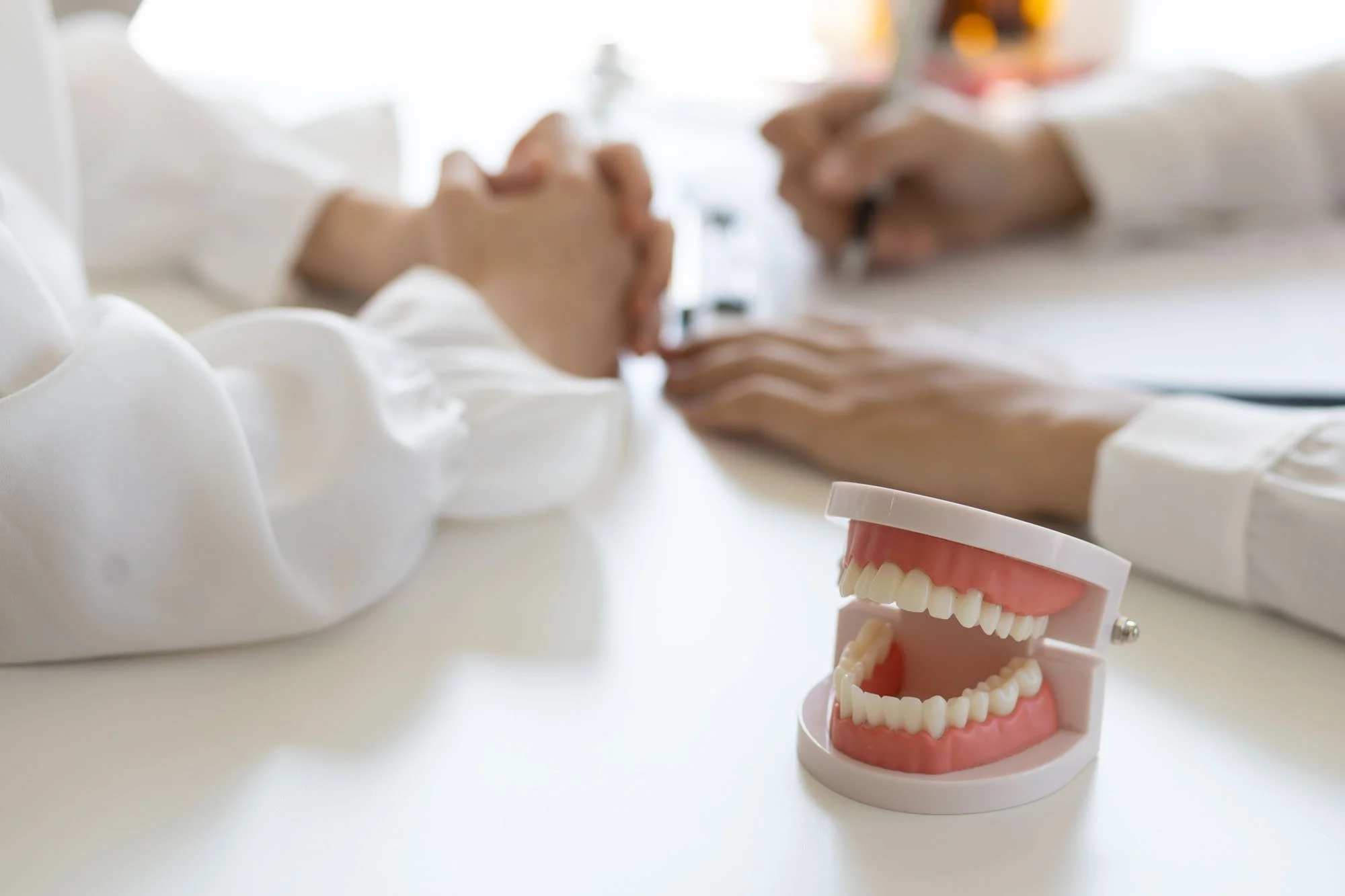
Oral and maxillofacial surgery is a highly specialized field that combines surgical and dental expertise to address conditions involving the mouth, jaws, and facial structures. Despite its importance, misconceptions about this area of practice are common. Griffith residents can benefit from a clear, educational understanding of oral surgery without receiving personal medical guidance.
Common Misconceptions
“Oral surgery only involves tooth extractions.”
While tooth removal is a common procedure, oral and maxillofacial surgery also includes complex areas such as jaw reconstruction, dental implant placement, bone grafting, and management of facial trauma.
“Oral surgery is always performed under general anaesthesia.”
Many procedures can be safely conducted using local anaesthesia or sedation, depending on the complexity and clinical evaluation.
“Recovery is long and difficult.”
Recovery time varies based on procedure type, patient health, and surgical scope. Oral and maxillofacial surgeons design individualized management plans that prioritize safety and observation rather than prolonged recovery.
“Oral surgeons and dentists perform the same tasks.”
Although both professionals focus on oral health, oral and maxillofacial surgeons undergo additional surgical training to address bone, joint, and facial soft tissue conditions.
In Griffith, oral and maxillofacial specialists operate within regulated clinical environments equipped with advanced imaging and monitoring systems. These facilities uphold national and local standards, ensuring structured and evidence-based practice.
Clarifying misconceptions helps the community understand the depth and precision of oral and maxillofacial surgery. Griffith residents can learn how this field contributes to comprehensive care, blending surgical expertise with anatomical and functional understanding to maintain oral and facial health within a safe, professional framework.
Disclaimer: This content is for general educational and informational purposes only and is not medical or dental advice. Always consult a licensed oral and maxillofacial surgeon.