
The Role of Oral Surgery in Comprehensive Care
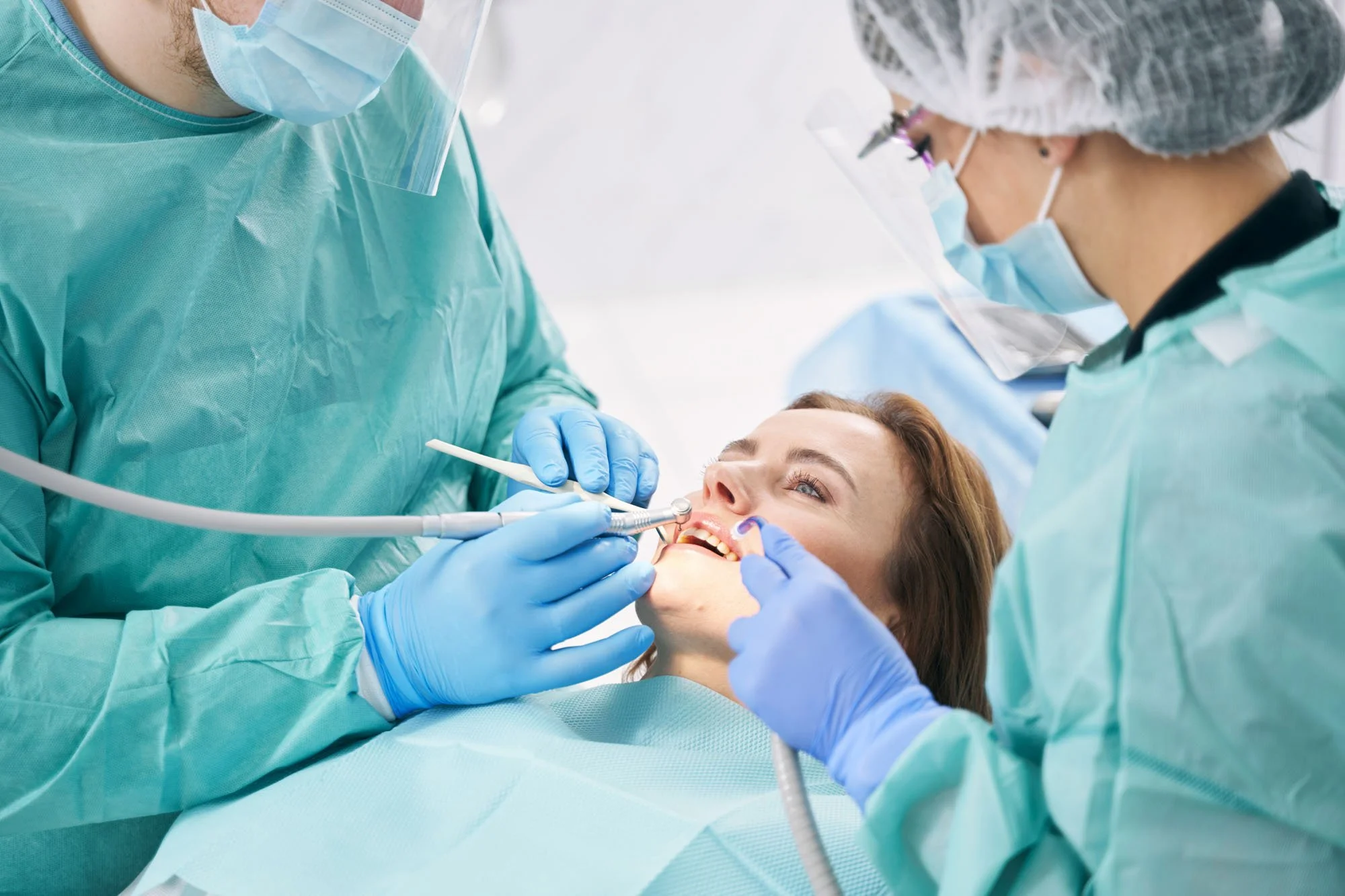
Oral and maxillofacial surgery plays an essential role in comprehensive dental and facial healthcare. In Griffith, these procedures integrate with general dentistry and medical disciplines to maintain function, aesthetics, and structural balance. This overview offers educational insight into how oral surgery supports overall health, without providing personal guidance.
Integrating Oral Surgery into Broader Care
Oral surgery extends beyond isolated procedures - it contributes to long-term oral health and functional stability. Key areas of integration include:
Restorative Dentistry: Surgical procedures such as bone grafting or dental implant placement create the foundation for durable prosthetic restorations.
Orthodontics and Jaw Alignment: Orthognathic surgery assists in repositioning jaws to enhance both facial symmetry and bite function.
Reconstructive Procedures: Trauma repair and tissue reconstruction restore form and support natural healing following injury or disease.
Pathology Management: Removal or evaluation of cysts, lesions, and other structural abnormalities forms a critical aspect of preventive and corrective care.
Collaboration Across Disciplines
In Griffith, oral and maxillofacial surgeons frequently collaborate with:
Dentists for restorative and prosthetic planning.
Orthodontists to coordinate surgical and orthodontic approaches.
Medical Specialists for cases involving facial trauma or systemic health considerations.
This teamwork ensures that surgical care aligns with the broader treatment objectives of each patient, maintaining a comprehensive and integrated approach.
Understanding the role of oral surgery in comprehensive care helps Griffith residents appreciate its multifaceted nature. The field unites surgical expertise, anatomical understanding, and teamwork across healthcare disciplines. From corrective to reconstructive and diagnostic procedures, oral and maxillofacial surgery supports the foundation of long-term oral health.
Disclaimer: This content is for general educational and informational purposes only and is not medical or dental advice. Always consult a licensed oral and maxillofacial surgeon.